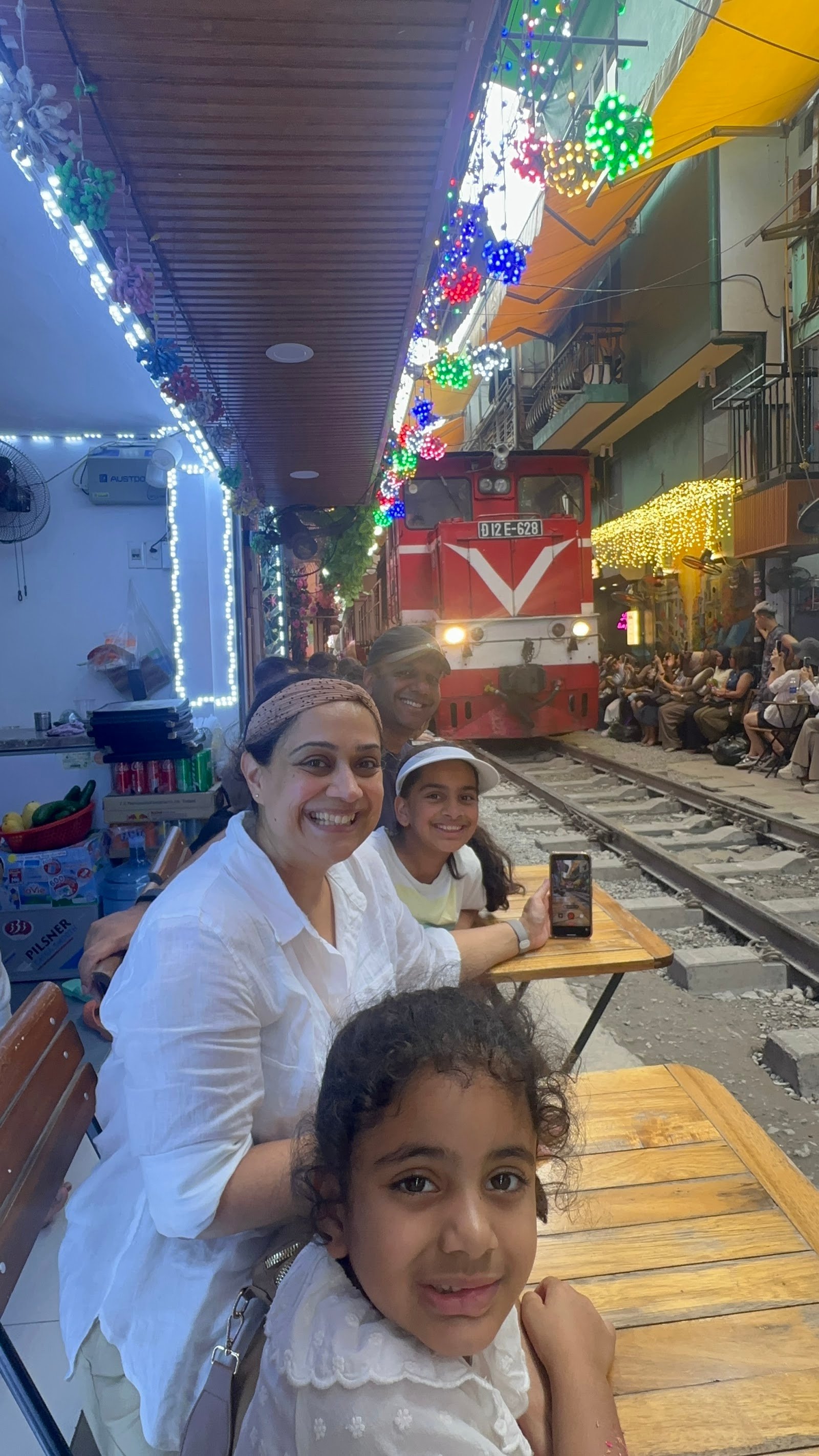
Hanoi Train Street sits at a crossroads between global fame and local reality. Its future depends on balancing tourism, resident safety and preservation. Here's where things stand and what responsible visiting means going forward.
1. The Core Tension
The very thing that makes Train Street special — an active railway through people's homes — is also its safety challenge. Fame brought crowds, and crowds brought risk.
 New
⏱️ 2 Hours
Hanoi Jeep City Highlights Tour | 2 Hours
2. Evolving Regulations
Authorities have alternated between crackdowns and managed access, searching for a formula that keeps people safe without killing the experience or the residents' livelihoods.
 Best Seller
⏱️ 4 Hours
 Best Seller
⏱️ 4.5 Hours
3. The Residents' Stake
For families here, the cafes are income and the street is home. Sustainable rules need to protect both their safety and their ability to share the place on their terms.
 Popular
⏱️ 4.5 Hours
Hanoi Countryside Jeep Tour to Co Loa
4. The Preservation Question
Balancing living heritage, tourism revenue and public safety is delicate. The hope is a managed model that keeps Train Street authentic rather than sanitised or shut.
 Popular
⏱️ 4.5 Hours
 Popular
⏱️ 8 Hours
5. Visiting Responsibly
You have a role: follow the rules, support the cafes, respect residents and never put yourself or others at risk. Responsible visitors help keep it open.
6. Frequently Asked Questions
Q: Will Train Street stay open long-term?
A: Likely in some managed form — the balance is between safety, tourism and residents' livelihoods, and cafes remain the sanctioned route in.
Q: Why the on-and-off crackdowns?
A: They're attempts to manage safety as crowds grew. Access tends to continue through the cafes even during stricter periods.
Q: How can I help keep it open?
A: Follow the safety rules, support the cafes, respect residents and never risk the tracks. Responsible visiting protects it.