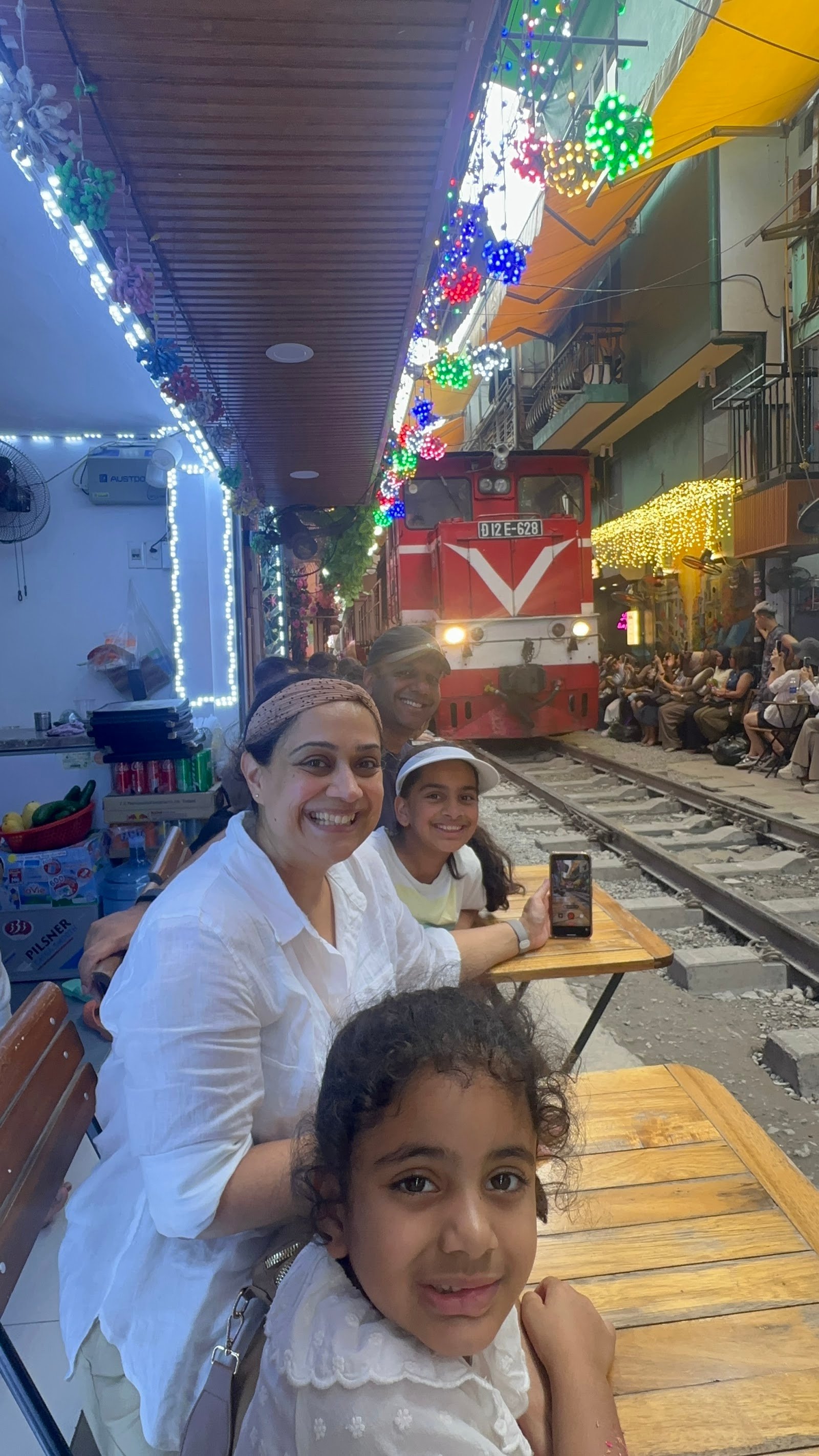
Hanoi Train Street exists because of one of the great colonial engineering projects of its era — the Trans-Indochina Railway. Understanding the ambition behind those rails deepens every visit.
1. An Ambitious Colonial Project
Begun in the early 1900s, the railway aimed to link the length of French Indochina, from the north down toward Saigon — a monumental undertaking across rivers, mountains and monsoon country.
 New
⏱️ 2 Hours
Hanoi Jeep City Highlights Tour | 2 Hours
2. Long Bien Bridge: The Keystone
The line's crossing of the Red River demanded Long Bien Bridge, an iron masterpiece that was among Asia's longest when built — the engineering centrepiece that made the northern railway possible.
 Best Seller
⏱️ 4 Hours
 Best Seller
⏱️ 4.5 Hours
3. Threading Through the City
To reach the station, the tracks were laid through what was then the urban edge. As Hanoi grew around them, the railway ended up running through dense neighbourhoods — the origin of Train Street.
 Popular
⏱️ 4.5 Hours
Hanoi Countryside Jeep Tour to Co Loa
4. Still Running After a Century
Remarkably, the line remains in daily use over a hundred years later, carrying the very trains that draw visitors today. Living heritage, not a museum piece.
 Popular
⏱️ 4.5 Hours
 Popular
⏱️ 8 Hours
5. Why the Engineering Matters
Seeing the trains with this history in mind, you appreciate that you're watching a century-old feat of engineering still doing its job — right past your coffee.
6. Frequently Asked Questions
Q: How old is the railway through Hanoi?
A: It dates to the early 1900s, part of the French Trans-Indochina Railway — well over a century old and still running.
Q: Is Long Bien Bridge part of this line?
A: Yes — the bridge was the keystone crossing of the Red River that made the northern railway possible.
Q: Can I see the bridge and Train Street together?
A: Yes — our jeep routes cover Long Bien Bridge, and we can add a safe Train Street cafe stop.