Vietnamese people are warm and forgiving with visitors, but a little cultural awareness goes a long way and is deeply appreciated. Here are the etiquette basics that keep you respectful at temples, at the table and on the street.
1. Temple & Pagoda Dress Code
Cover shoulders and knees at temples and pagodas. Carry a light scarf or wrap to throw on, remove your hat and lower your voice inside, and step over — not on — raised thresholds.
 New
⏱️ 2 Hours
Hanoi Jeep City Highlights Tour | 2 Hours
2. Shoes Off & Sacred Spaces
Remove shoes where you see them piled at a doorway — homes, some shrines and certain shops. Don't point your feet at altars or people, and never touch someone's head.
 Best Seller
⏱️ 4 Hours
 Best Seller
⏱️ 4.5 Hours
3. Chopstick & Dining Manners
Don't stand chopsticks upright in rice (it echoes funeral incense). Use the serving spoon for shared dishes, wait for elders to start, and it's polite to pour tea or beer for others before yourself.
 Popular
⏱️ 4.5 Hours
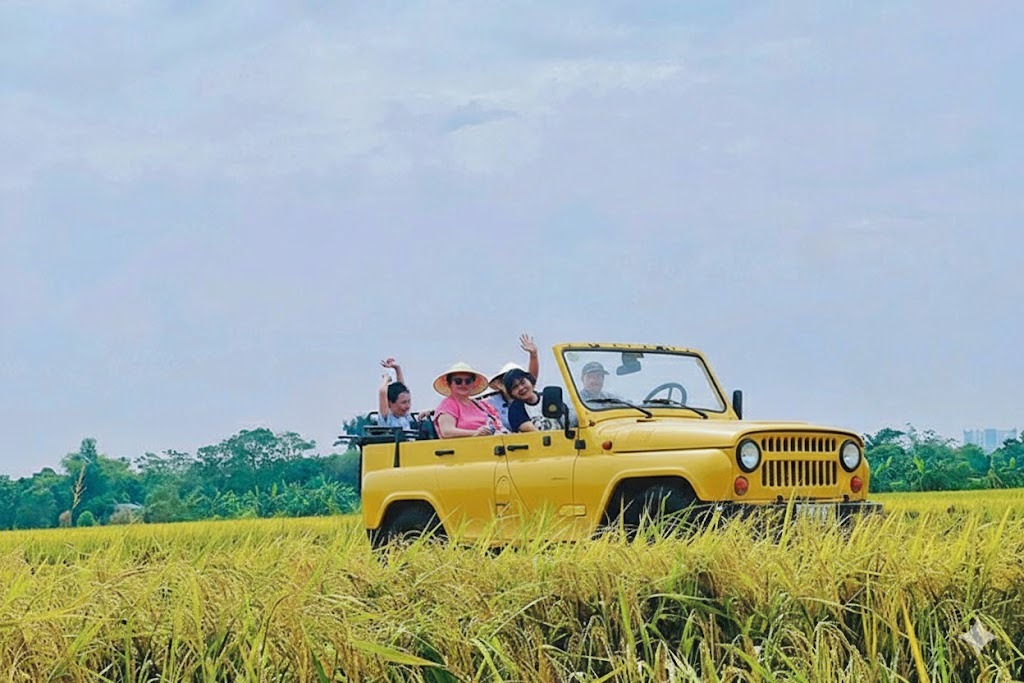
Hanoi Countryside Jeep Tour to Co Loa
4. Photos, Bargaining & Body Language
Ask before photographing people, especially vendors and monks. Bargain with a smile, not aggression. Keep public displays modest and use both hands to give or receive something important.
 Popular
⏱️ 4.5 Hours
 Popular
⏱️ 8 Hours
5. Small Gestures That Land Well
A little Vietnamese — xin chao (hello), cam on (thank you) — earns genuine warmth. Patience and a smile defuse almost any awkward moment.
6. Frequently Asked Questions
Q: What should I wear to temples in Hanoi?
A: Cover shoulders and knees. Bring a scarf or wrap to cover up, and take off your hat inside.
Q: Is bargaining rude?
A: No, it's expected in markets — but do it with a smile. In fixed-price shops and restaurants, don't haggle.
Q: What's the biggest dining faux pas?
A: Standing chopsticks upright in a bowl of rice. It resembles funeral incense and is considered unlucky.